Bus, Bus Facilities and Paratransit Investments
Metrobus provides 120 million trips each year, with a fleet of over 1,500 buses serving more than 10,000 bus stops across the region. MetroAccess is a shared-ride, door-to-door paratransit service for people whose disability prevents them from using bus or rail. With a fleet of more than 700 paratransit vehicles, the service provides over 2 million trips each year. These investments are organized into four subcategories:
- New vehicle acquisition, including various types of buses (including zero-emissions buses) and MetroAccess vans/sedans
- Maintenance and overhaul activities, including ongoing preventive maintenance and rehabilitation work that will keep bus service safe and reliable
- Maintenance facilities, including bus garage replacements and upgrades
- Passenger facilities and systems, including station and bus facility improvements
Here are a few featured projects:
Zero-Emission Buses
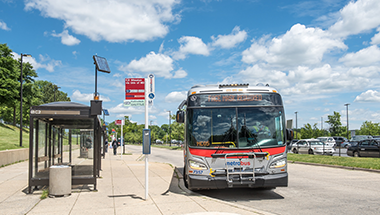
Metro is investing in electric buses and their supporting infrastructure. In 2024, Metro awarded a five-year contract to procure battery electric and hybrid buses, including up to 400 zero-emission buses. The underway replacements to Northern and Bladensburg Bus Garages include investments to enable support of electric fleets. Investments in a zero-emission but fleet improve regional air quality, reduce greenhouse gas emissions and reduce noise levels for customers and the public.
Read more.
New Bus Garages
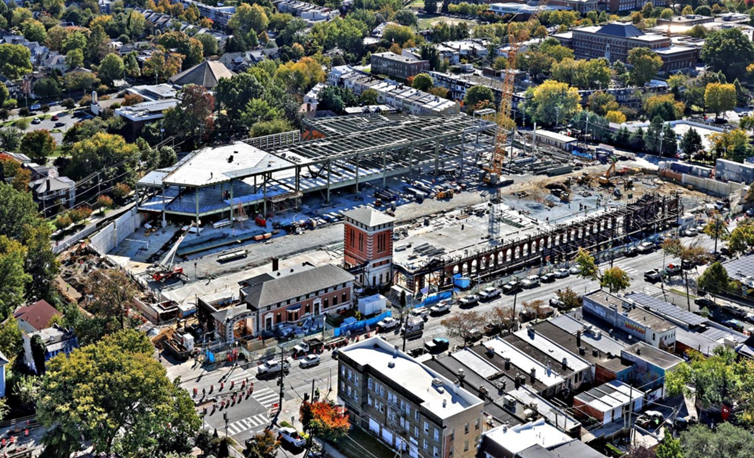
Metro is replacing aged bus garages to improve maintenance efficiencies and employee safety, with projects underway for Northern and Bladensburg Bus Garages.
New MetroAccess Vehicles
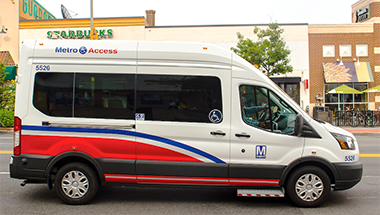
The MetroAccess fleet of over 700 paratransit vehicles delivers more than 2 million trips each year. The capital program invests in new, modern vehicles to keep the average fleet age less than four years old, including more fuel-efficient hybrid sedans.
Bus Customer Facility Improvements
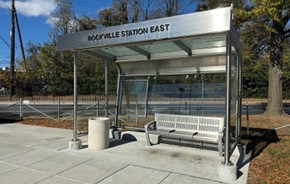
Metro is investing in bus customer facilities, including replacement of bus shelters in service beyond their useful life, upgrades to paper signage, and improvements of bus stop infrastructure (e.g., route/sign poles, bus stop decals, wayfinding signage, etc.).